
The Art of Crafting Wine Packaging Boxes
Wine packaging boxes have always been an essential aspect of the wine industry, as they not only protect the bottles but also serve as a silent salesman on the shelves. In this blog post, we will delve into the intricacies of designing and manufacturing wine packaging boxes that are both visually appealing and functional.
Wine packaging boxes play a pivotal role in marketing, as they are often the first thing consumers see before making a purchase decision. A well-designed wine packaging box can communicate the brand’s message, evoke emotions, and create a sense of luxury or tradition, depending on the target audience. The packaging box should be designed to stand out on the shelf, capturing the attention of potential buyers.
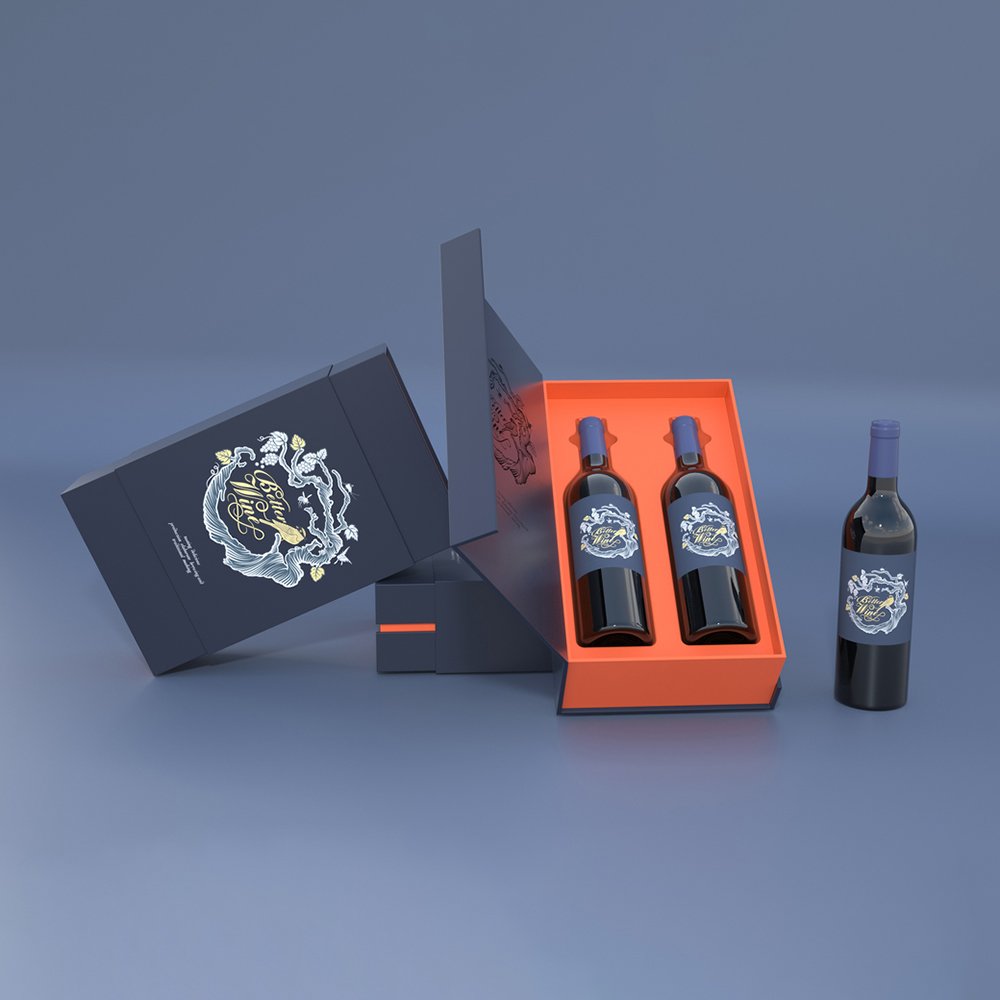
When designing wine packaging boxes, it’s crucial to consider the target market, the brand’s identity, and the wine’s characteristics. The design should be visually appealing, with colors, images, and typography that resonate with the brand’s story. For instance, a vintage wine might be packaged in a box with a classic design, while a modern wine could be presented in a minimalist box with clean lines and contemporary fonts.
The choice of materials and printing techniques is equally important in creating wine packaging boxes. High-quality materials such as cardboard, wood, or metal can be used, depending on the desired aesthetic and budget. Printing techniques like embossing, debossing, and foil stamping can add a tactile element to the packaging, making it more memorable. UV coating is another popular choice for its durability and glossy finish.

In recent years, sustainability has become a key factor in wine packaging box design. Many wineries are opting for eco-friendly materials and processes to reduce their environmental impact. Recycled or recyclable materials, biodegradable inks, and water-based coatings are some of the ways the industry is moving towards greener packaging solutions.